PROJECT VISTAAR

Project VISTAAR: Transforming Agricultural Access with AI-driven Networks


IIT Madras, in partnership with the Ministry of Agriculture and Farmers Welfare, has launched Project VISTAAR (Virtually Integrated System to Access Agricultural Resources), a groundbreaking initiative aimed at revolutionizing access to agricultural resources through AI-powered advisory networks.

What is Project VISTAAR?

At its core, VISTAAR is a "Network of Networks" leveraging Artificial Intelligence (AI) to create an integrated agricultural advisory system for every state in India. It connects decentralized databases across various stakeholders, including farmers, policymakers, and advisory bodies, to provide seamless access to critical agricultural resources.

Key features of VISTAAR:

State-specific Advisory Networks: Each state can build its own AI-augmented agricultural advisory network to address local needs.

Comprehensive Data Integration: VISTAAR connects databases on crop production, marketing, government schemes, and value addition into a single, easy-to-access system.

Objectives of Project VISTAAR

The primary goal of VISTAAR is to:

Enhance Decision-Making: Provide farmers with timely and accurate data to improve agricultural practices and productivity.

Improve Resource Utilization: Ensure optimal use of inputs such as seeds, fertilizers, and irrigation based on AI-driven insights.

Significance and Benefits

Project VISTAAR brings several transformative benefits to Indian agriculture:

Expanded Advisory Services

Farmers will have access to high-quality advisory services on critical topics such as:

Crop Production: Best practices for improving yield and pest control.

Marketing Strategies: Guidance on how and where to sell crops for maximum returns.

Value Addition: Insights on turning raw produce into marketable products.

Supply Chain Management: Efficient logistics and distribution advice.

Seamless Access to Government Schemes

Farmers will receive information on government schemes relevant to their region and agricultural needs, ensuring they can take full advantage of subsidies and support programs.

Tailored Local Solutions

By building state-specific networks, VISTAAR addresses the unique challenges of each region, ensuring localized and relevant solutions.

How AI Enhances VISTAAR

The integration of Artificial Intelligence allows VISTAAR to analyze large amounts of data quickly and accurately, providing insights that can lead to:

Early detection of crop diseases.

Accurate weather predictions.

Personalized farming recommendations based on soil, climate, and market trends.

Future Vision of Project VISTAAR

Project VISTAAR aims to become a central pillar in India’s agricultural transformation, contributing to:

Sustainable Farming: Promoting practices that ensure long-term soil health and resource efficiency.

Increased Farmer Incomes: By improving productivity and marketing strategies, VISTAAR will empower farmers to earn higher returns.

Digital Inclusion: Making technology accessible to even smallholder farmers in remote areas.

Empowering India’s Farmers

With Project VISTAAR, IIT Madras and the Ministry of Agriculture and Farmers Welfare are working towards a future where every farmer has the tools, knowledge, and support they need to thrive. As agriculture continues to evolve, VISTAAR will play a crucial role in bridging the gap between technology and traditional farming practices.


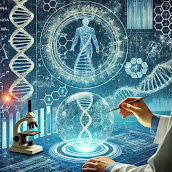
Nobel Prize in Medicine 2024: Discovery of MicroRNA and Gene Regulation

Nobel Prize in Medicine 2024: Discovery of MicroRNA and Gene Regulation

Introduction

The Nobel Prize in Physiology or Medicine 2024 has been awarded to Victor Ambros and Gary Ruvkun for their groundbreaking discovery of microRNA (miRNA) and its crucial role in post-transcriptional gene regulation. This discovery has revolutionized our understanding of gene expression, cellular development, and disease mechanisms.


We will delve into gene regulation, the function of microRNA, its implications in disease diagnostics, oncogenesis, and immune response, and the broader significance of this remarkable discovery.

What is Gene Regulation?

Gene regulation is the process by which cells control the timing, location, and amount of gene expression. This mechanism ensures that different cells (muscle cells, nerve cells, etc.) express unique sets of proteins, allowing them to perform specialized functions.

Key Aspects of Gene Regulation:

  • The human genome contains about 20,000 genes, but not all genes are expressed at the same time.
  • Different organs and tissues consist of distinct cell types, even though they share the same genetic material.
  • Regulatory processes determine which genes are active or inactive at a given time.

Discovery of MicroRNA (miRNA) by Victor Ambros and Gary Ruvkun

Historical Context

Prior to 1993, scientists believed that gene regulation was primarily controlled by specialized proteins known as transcription factors, which bind to specific DNA regions to regulate mRNA production.

However, Ambros and Ruvkun's discovery challenged this notion by introducing a new class of non-coding RNA molecules—microRNAs (miRNAs)—that regulate gene expression after transcription.

Key Findings

  • In 1993, Ambros and Ruvkun discovered microRNA (miRNA) while studying mutant Caenorhabditis elegans nematodes.
  • They found that microRNA binds with mRNA, preventing it from being translated into proteins or leading to mRNA degradation.
  • Unlike transcription factors, microRNAs act post-transcriptionally, making them a crucial component of gene regulation.

What is MicroRNA (miRNA)?

MicroRNA is a small, non-coding RNA that plays a significant role in regulating gene expression.

Functions of MicroRNA:

  1. Regulates Gene Expression: miRNAs bind to mRNA and either degrade it or prevent its translation into proteins.
  2. Controls RNA Transcription: While proteins in the nucleus regulate RNA transcription, microRNAs regulate mRNA degradation and translation in the cytoplasm.
  3. Maintains Cellular Function: Different types of cells express specific microRNAs to maintain their specialized roles.

Significance of the Discovery

1. Understanding Cellular Development

  • MicroRNAs play a key role in stem cell renewal and differentiation.
  • They help determine which genes are expressed during embryonic development.

2. Role in Immune Response

  • miRNAs help regulate innate and adaptive immunity.
  • They influence T-cell development and immune system activation.

3. MicroRNA and Cancer (Oncogenesis)

  • Abnormal microRNA activity is linked to cancer development.
  • Some miRNAs function as tumor suppressors, preventing the conversion of healthy cells into cancer cells.
  • Others act as oncogenes, promoting tumor growth and metastasis.

4. Disease Diagnostics and Therapeutics

  • miRNAs serve as biomarkers for diseases like cancer, neurodegenerative disorders, and cardiovascular diseases.
  • Therapeutic interventions using microRNA-based drugs are being explored.

Related Concept: Reverse Transcriptase (RTs)

Reverse transcriptase is an enzyme used by viruses like Klebsiella pneumoniae to bind RNA and facilitate reverse transcription.

Key Features of Reverse Transcriptase (RTs):

  • RNA-dependent DNA polymerase, which synthesizes DNA from an RNA template.
  • Plays a critical role in viral replication and is targeted in antiviral drug development.

Future Prospects: How This Discovery Shapes Medical Science

1. Advancements in Personalized Medicine

  • Understanding microRNA networks can lead to tailored treatments for genetic disorders.
  • miRNA-based therapies are being researched for treating cancer, diabetes, and neurodegenerative diseases.

2. Development of RNA-Based Vaccines

  • MicroRNA-based approaches could enhance the effectiveness of RNA vaccines.
  • They may provide long-term immunity against viruses by regulating immune response.

3. Targeting miRNAs for Gene Therapy

  • Scientists are exploring the potential of microRNA inhibitors (antagomirs) to block disease-associated miRNAs.
  • This approach may revolutionize treatments for cancer, autoimmune disorders, and metabolic diseases.

Conclusion

The 2024 Nobel Prize in Medicine honors Victor Ambros and Gary Ruvkun for their revolutionary work on microRNA and gene regulation. Their discovery has transformed our understanding of cellular development, immune response, cancer biology, and disease diagnostics. With ongoing research into RNA-based therapies, their work paves the way for future breakthroughs in personalized medicine and gene therapy.

Sukhoi vs F-35: Which Fighter Jet Should India Choose?

Sukhoi vs F-35: Which Fighter Jet Should India Choose?

Introduction

India is continuously modernizing its air force to maintain aerial superiority against evolving threats. With the rising tension in geopolitics and regional security challenges, the selection of a new fighter jet is a critical decision. Two major contenders often discussed in defense circles are Russia’s Sukhoi Su-57 and the US-made F-35 Lightning II. But which one is better suited for the Indian Air Force (IAF)? This blog explores the capabilities, advantages, and challenges of each fighter jet to determine the best option for India’s defense strategy.


Overview of Sukhoi Su-57

The Sukhoi Su-57, developed by Russia’s United Aircraft Corporation, is a fifth-generation stealth multirole fighter. Designed for air superiority and ground attack missions, it is the most advanced Russian fighter aircraft.

Key Features:

  • Stealth Capabilities: Reduced radar cross-section (RCS) for enhanced survivability.
  • Supercruise: Can sustain supersonic speeds without afterburners.
  • Advanced Avionics: Equipped with AESA radar and electronic warfare (EW) systems.
  • Maneuverability: Highly agile with thrust vectoring engines for superior dogfighting.
  • Armament: Can carry long-range air-to-air missiles, hypersonic weapons, and ground-attack munitions.

Advantages:

Cost-effective compared to the F-35.
Compatible with India’s existing Russian defense systems like S-400 and Su-30MKI.
Excellent maneuverability in close combat situations.
Greater weapons payload capacity.

Disadvantages:

Limited stealth capabilities compared to Western counterparts.
Delays in production and lack of operational experience.
Less advanced avionics and sensors than the F-35.


Overview of F-35 Lightning II

The Lockheed Martin F-35 is one of the world’s most advanced stealth multirole fighters, developed under the Joint Strike Fighter (JSF) program. It is known for its cutting-edge network-centric warfare capabilities.

Key Features:

  • Full Stealth Design: Extremely low radar signature.
  • Advanced Sensor Fusion: Shares real-time battlefield intelligence with allied forces.
  • Supercomputing & AI Integration: AI-powered predictive maintenance and combat strategies.
  • Vertical Takeoff and Landing (VTOL) (F-35B variant): Enables operations from aircraft carriers.
  • State-of-the-art Avionics: High-end AESA radar, electro-optical targeting, and sensor fusion.

Advantages:

Superior stealth compared to the Su-57.
Best-in-class situational awareness with data-sharing capability.
Proven combat performance with NATO and allied forces.
Access to advanced Western weapons technology.

Disadvantages:

Extremely expensive ($80-100 million per unit).
High maintenance costs and complex logistics.
Restrictions on technology transfer due to US export policies.


Suitability for India

India’s fighter jet acquisition must align with its strategic goals, budget constraints, and geopolitical alignments. Below is a comparative analysis based on critical factors:

Operational Requirements

  • The IAF needs a combination of stealth, agility, and multi-role capabilities.
  • Su-57 offers high maneuverability, while F-35 excels in stealth and network warfare.

Cost & Maintenance

  • Su-57 is more affordable with lower lifecycle costs.
  • F-35 has high procurement and maintenance expenses.

Technology & Upgrades

  • India prefers technology transfer and co-development, which Russia is more willing to offer.
  • The US restricts technology sharing with the F-35.

Geopolitical Considerations

  • India has strong defense ties with Russia, but Western alliances are growing.
  • Buying F-35 may impact India’s defense deals with Russia (S-400, Su-30MKI, BrahMos missiles) due to US sanctions (CAATSA law).

Alternative Options for India

Apart from the Su-57 and F-35, India is considering:

  1. AMCA (Advanced Medium Combat Aircraft) – India’s indigenous fifth-gen fighter under development.
  2. Dassault Rafale – Proven in combat, already in IAF service.
  3. Eurofighter Typhoon – Another advanced European option.
  4. F-15EX & F/A-18 Super Hornet – High-end American fourth-gen fighters.

Final Verdict: Which Fighter Jet Should India Choose?

India’s decision depends on a balance between affordability, technology access, and operational needs:

  • If India prioritizes stealth and advanced avionics, the F-35 is the better choice.
  • If India values cost-effectiveness, high maneuverability, and strategic independence, the Sukhoi Su-57 is a practical option.
  • India may also focus on developing its own AMCA for long-term self-reliance.

Conclusion

India’s air power strategy must factor in both immediate needs and long-term defense goals. While the F-35 offers unparalleled stealth and network capabilities, the Su-57 provides affordability and strategic flexibility. Given geopolitical realities and India’s defense policy, a combination of Rafale, AMCA, and advanced upgrades to existing aircraft may be the best path forward. The final decision will shape India’s air dominance for decades to come.


Genes and Related Concepts: Understanding DNA, RNA, and Genome Editing

Genes and Related Concepts: Understanding DNA, RNA, and Genome Editing

Introduction

The field of genetics has transformed our understanding of life at the molecular level. From decoding the human genome to genome editing, advancements in genetic research have led to groundbreaking innovations in medicine, agriculture, and biotechnology. Genes, the fundamental units of heredity, are composed of Deoxyribonucleic Acid (DNA), which contains instructions essential for the growth, development, and functioning of all living organisms. Alongside DNA, Ribonucleic Acid (RNA) plays a crucial role in protein synthesis and gene expression.


With cutting-edge technologies such as CRISPR/Cas9, genome sequencing, and gene editing, scientists can now manipulate genetic material to treat diseases, improve agricultural productivity, and enhance personalized medicine. This blog explores the essential concepts of genes, DNA, RNA, genome editing, and their applications, incorporating trending keywords and the latest developments in genetic research.

What are Genes?

Genes are specific sequences of DNA that store genetic information necessary for the inheritance of traits. They serve as biological instructions that dictate an organism’s physical and functional characteristics. Genes work by directing the synthesis of proteins, which perform critical roles in cellular processes.

Key Points about Genes:

  • Genes are made up of DNA, which carries the genetic blueprint of living organisms.
  • Chromosomes are thread-like structures composed of DNA and proteins that contain multiple genes.
  • The Genome refers to the entire set of genetic instructions present in a cell.

Understanding genes and their functions has led to the development of advanced genetic technologies, enabling breakthroughs in healthcare and biotechnology.


Comparison Between DNA and RNA

DNA and RNA are both nucleic acids that store and transmit genetic information. However, they have distinct structures and functions:

Parameter DNA      RNA
Structure Double-stranded helix     Single-stranded
Nitrogenous Bases Adenine (A), Thymine (T), Cytosine     (C), Guanine (G)     Uracil (U) replaces Thymine (T)
Function Stores genetic information for inheritance         Regulates gene expression and plays a key         role in protein synthesis

While DNA acts as the genetic blueprint, RNA serves as the messenger that carries instructions from DNA to synthesize proteins.


Genome Editing: Transforming Genetic Research

Genome editing, also known as gene editing, enables scientists to modify an organism’s DNA sequence, leading to changes in physical traits such as eye color, disease resistance, and crop yield. This technology has revolutionized genetic engineering by allowing precise alterations in DNA without introducing foreign genetic material.

How Genome Editing Works:

  • Uses Site-Directed Nucleases (SDNs) to induce small deletions, substitutions, or insertions in the DNA sequence.
  • SDN technology cleaves DNA strands at specific sites to facilitate genome modifications.
  • Unlike Genetic Engineering, which involves inserting foreign DNA (transgenes), genome editing modifies the organism’s existing genes.

Key Gene Editing Technologies:

  • CRISPR/Cas9 (Clustered Regularly Interspaced Short Palindromic Repeats): The most efficient and widely used gene-editing tool.
  • Zinc-Finger Nucleases (ZFNs): Custom-designed proteins that cut DNA at precise locations.
  • Transcription Activator-Like Effector Nucleases (TALENs): Engineered proteins that recognize and modify specific DNA sequences.

These technologies have opened new possibilities for treating genetic disorders, developing genetically modified crops, and advancing synthetic biology.


CRISPR/Cas9: The Future of Genetic Engineering

CRISPR/Cas9 is a revolutionary gene-editing tool that enables precise modifications in DNA sequences. This system has transformed biotechnology and medicine by providing an efficient and cost-effective method for genetic alterations.

How CRISPR/Cas9 Works:

  • Functions as a cut-and-paste mechanism on DNA strands.
  • Identifies and cuts targeted genetic sequences using the Cas9 protein, which acts as molecular scissors.
  • Allows scientists to delete, insert, or modify specific genes, leading to targeted genetic improvements.

Applications of CRISPR/Cas9:

  • Medical Research: Treating genetic diseases such as sickle cell anemia and cystic fibrosis.
  • Agricultural Advancements: Developing pest-resistant and high-yield crops.
  • Biotechnology and Synthetic Biology: Engineering microbes for biofuel production and environmental sustainability.

Genome Sequencing: Decoding the Genetic Blueprint

Genome sequencing is the process of determining the exact order of base pairs in an individual’s DNA. This technology provides insights into genetic variations, disease susceptibility, and evolutionary biology.

Significance of Genome Sequencing:

  • Identifies genetic mutations responsible for hereditary diseases.
  • Aids in the development of personalized medicine by tailoring treatments based on genetic profiles.
  • Facilitates research in evolutionary genetics and species diversity.

Applications of Genome Sequencing

Genome sequencing has revolutionized various fields, leading to innovative applications:

  1. Predictive Diagnostics and Personalized Healthcare

    • Helps in early disease detection and risk assessment.
    • Enables targeted gene therapy for cancer and rare genetic disorders.
  2. Paternity Testing

    • Confirms biological relationships using DNA fingerprinting.
    • Provides forensic applications in criminal investigations.
  3. Agricultural Biotechnology

    • Identifies genetic traits for higher crop yield and disease resistance.
    • Enhances climate resilience in plants through genetic modifications.

Ethical and Regulatory Considerations in Genome Editing

With the power to manipulate genetic material, genome editing raises ethical concerns regarding human genetic modifications, bioethics, and potential misuse. Regulatory bodies such as the World Health Organization (WHO) and national governments have established guidelines to ensure responsible use of genetic technologies.

Key Ethical Considerations:

  • Germline Editing Concerns: Modifications in reproductive cells can be inherited by future generations.
  • Equitable Access: Ensuring that genetic therapies remain accessible and affordable.
  • Biosecurity Risks: Preventing potential misuse of genetic editing for non-therapeutic purposes.

Future Prospects of Genetic Research

The future of genetic research is promising, with continued advancements in Artificial Intelligence (AI) and big data analytics enhancing genome analysis. Scientists are exploring novel therapies for neurodegenerative diseases, stem cell research, and gene-driven precision medicine. As genetic technologies evolve, they hold the potential to transform global healthcare, agriculture, and industrial biotechnology.

Key Trends in Genetic Research:

  • AI-powered Genome Analysis for faster and more accurate gene predictions.
  • Synthetic Biology to create artificial genomes for medical and industrial applications.
  • CRISPR-based Therapies for hereditary diseases and regenerative medicine.

Conclusion

The study of genes, DNA, and genome editing has revolutionized multiple scientific fields, from medicine to agriculture. With the advent of CRISPR/Cas9, genome sequencing, and biotechnological innovations, researchers can now unlock the full potential of genetic modifications. While ethical and regulatory challenges exist, the future of genetic engineering holds immense promise for improving human health, food security, and environmental sustainability. As technology continues to evolve, genetic research will play a pivotal role in shaping the future of science and medicine.


India's R&D Expenditure: A Decadal Surge Fueling Innovation and Self-Reliance

India's R&D Expenditure: A Decadal Surge Fueling Innovation and Self-Reliance

Over the past decade, India has witnessed a significant transformation in its research and development (R&D) landscape. Union Minister Dr. Jitendra Singh recently highlighted that the country's R&D spending has more than doubled, escalating from ₹60,196 crore in 2013-14 to ₹1.27 lakh crore in 2023-24. This substantial increase underscores India's commitment to fostering innovation, technological advancement, and economic self-reliance.

Government Initiatives and Policy Reforms

Aatmanirbhar Bharat: Paving the Path to Self-Reliance

The 'Aatmanirbhar Bharat' (Self-Reliant India) initiative has been instrumental in promoting indigenous innovation and reducing dependency on foreign technology. By focusing on sectors like artificial intelligence (AI), biotechnology, and quantum computing, the initiative aims to position India as a global leader in deep-tech innovation and commercialization.

DISHA Programme: Empowering the Knowledge Economy

The DISHA (Digital India for Sustainable and Holistic Access) programme is designed to propel India's knowledge economy by integrating digital technologies into various sectors. This initiative not only enhances digital literacy but also fosters an environment conducive to technological innovation, thereby strengthening the pillars of Aatmanirbhar Bharat.

Sectoral Advancements Driven by Increased R&D Spending

Artificial Intelligence: Revolutionizing Industries

The surge in R&D investment has catalyzed significant advancements in AI, impacting industries such as healthcare, finance, and agriculture. AI-driven solutions are enhancing efficiency, accuracy, and productivity, leading to economic growth and improved quality of life.

Biotechnology: Innovations in Healthcare

Increased funding in biotechnology has led to breakthroughs in medical research, drug development, and diagnostic tools. These innovations are crucial for addressing public health challenges and ensuring the well-being of the population.

Quantum Computing: The Next Frontier

India's investment in quantum computing research is paving the way for advancements in cryptography, materials science, and complex system modeling. These developments have the potential to revolutionize various industries by providing unprecedented computational power and security.

Challenges and Strategic Imperatives

Enhancing R&D Expenditure Relative to GDP

Despite the absolute increase in R&D spending, India's expenditure as a percentage of GDP remains relatively low compared to global leaders. Enhancing this ratio is crucial for sustaining long-term innovation and competitiveness.

Fostering Public-Private Partnerships

Encouraging collaboration between the public and private sectors is essential for diversifying funding sources and accelerating technological advancements. Such partnerships can lead to more efficient commercialization of research outcomes.

Bridging the Research-Commercialization Gap

Ensuring that research findings are effectively translated into marketable products and services remains a challenge. Strengthening the ecosystem that supports startups and entrepreneurs is vital for bridging this gap.

Conclusion

The doubling of India's R&D expenditure over the past decade reflects a robust commitment to innovation and self-reliance. By addressing existing challenges and leveraging strategic initiatives like Aatmanirbhar Bharat and the DISHA programme, India is poised to solidify its position as a global leader in technology and innovation.


Aurora Alert: Understanding the Science Behind the Northern Lights

Aurora Alert: Understanding the Science Behind the Northern Lights


Introduction

The Aurora Borealis, commonly known as the Northern Lights, is one of nature’s most mesmerizing phenomena. It captivates skywatchers and astronomy enthusiasts worldwide. However, witnessing this spectacle requires precise timing, a favorable location, and reliable aurora forecast data. This is where real-time aurora alerts and advanced space weather monitoring systems play a crucial role.

    In this blog, we will explore the science behind auroras, the role of solar wind, geomagnetic storms, and cutting-edge technologies used for aurora hunting. We will also discuss the impact of coronal mass ejections (CMEs), solar flares, and the latest advancements in space weather forecasting.

What Causes Auroras? The Science Explained

Auroras occur when charged particles from the solar wind interact with the Earth's magnetosphere. The process involves:

  1. Solar Wind and Interplanetary Magnetic Field (IMF): The Sun continuously emits charged particles (plasma), forming the solar wind. The IMF, a component of this wind, affects how these particles interact with Earth's magnetic field.
  2. Magnetosphere Disturbance: When the IMF is directed southward, it enables solar particles to enter Earth’s magnetosphere, leading to geomagnetic storms.
  3. Excitation of Atmospheric Gases: Once trapped, these charged particles collide with oxygen and nitrogen atoms in Earth’s upper atmosphere, exciting them. As these atoms return to their ground state, they emit light in various colors:
    • Green: Oxygen at ~100 km altitude
    • Red: Oxygen at higher altitudes
    • Purple & Blue: Nitrogen molecules

The Role of Solar Activity: Solar Cycle 25 and Geomagnetic Storms

    The Sun follows an 11-year cycle of increasing and decreasing activity, known as the solar cycle. Currently, we are in Solar Cycle 25, which has been particularly active, increasing the frequency of solar flares and coronal mass ejections (CMEs). These solar events significantly enhance auroral activity.

    Geomagnetic storms, triggered by CMEs, are classified using the G-scale (G1 to G5). The Kp Index, which ranges from 0 to 9, measures geomagnetic activity and predicts aurora visibility. A Kp Index of 5 or above increases the likelihood of auroras appearing at lower latitudes.

How Aurora Alerts Work: Real-Time Monitoring and Space Weather Forecasting

    Organizations like NOAA’s Space Weather Prediction Center (SWPC) provide aurora alerts by analyzing real-time data from satellites such as:

  • ACE (Advanced Composition Explorer) and DSCOVR (Deep Space Climate Observatory) – monitor solar wind speed and IMF orientation.
  • GOES (Geostationary Operational Environmental Satellites) – track solar activity and radiation levels.
  • Ground-Based Magnetometers – detect disturbances in Earth’s magnetic field.

Key Factors in Aurora Forecasting:

  1. Solar Wind Speed: High speeds (~500 km/s or more) increase aurora potential.
  2. IMF Orientation: A southward-directed IMF enhances the likelihood of geomagnetic storms.
  3. Coronal Mass Ejection Arrival: CMEs take 1–3 days to reach Earth and can intensify auroras.
  4. Real-Time Data Analysis: Combining data from satellites, magnetometers, and weather models improves forecasting accuracy.

Aurora Hunting: Best Locations and Photography Tips

    For aurora hunting, choosing a dark sky location away from light pollution is essential. The best places to witness auroras include:

  • Northern Hemisphere: Norway, Iceland, Canada, Alaska, Finland
  • Southern Hemisphere: Antarctica, New Zealand, Tasmania

Aurora Photography Tips:

  1. Use a DSLR or mirrorless camera with manual settings.
  2. Set a high ISO (800-3200) for better low-light performance.
  3. Use a tripod and long exposure (5–30 seconds) to capture details.
  4. Choose a wide-angle lens to include more sky in the frame.
  5. Monitor real-time aurora alerts to maximize success.

Technological Advances in Space Weather Forecasting

    Recent advancements in AI-driven models, machine learning, and satellite technology have significantly improved aurora forecasting. Researchers are developing:

  • AI-powered prediction models that analyze historical data to forecast solar activity.
  • Citizen science networks, where users report aurora sightings to enhance prediction accuracy.
  • Enhanced magnetometer arrays for real-time geomagnetic storm tracking.

Conclusion

    Understanding the science behind auroras, monitoring solar activity, and leveraging real-time aurora alerts are key to witnessing this breathtaking natural phenomenon. With advancements in space weather forecasting, enthusiasts and scientists alike can predict auroral events with greater accuracy. Whether you’re an astronomy enthusiast, a photographer, or simply someone fascinated by space, staying updated with aurora alerts will enhance your experience of the Northern Lights.

Stay tuned for more updates on aurora science, solar cycle 25, and real-time aurora tracking! Happy aurora hunting!


Redeeming India’s Nuclear Power Promise: A Clean Energy Imperative for 2047

Introduction: A Nuclear Vision for Viksit Bharat@2047 As India marches toward its ambitious goal of becoming a developed nation by 2047, en...