L&T's New Substation Contracts in Saudi Arabia and UAE: A Milestone in PowerDistribution and Grid Modernization

Introduction

Larsen & Toubro (L&T), a global leader in engineering and construction, has secured new substation contracts in Saudi Arabia and the UAE, marking a major step in power distribution and grid modernization. These projects align with the region’s ambitious energy transition goals, focusing on renewable energy integration, high-voltage direct current (HVDC) transmission, and smart grids.

With the increasing electrification of transportation and the rising data center energy demand, grid resilience has become a top priority. L&T’s new substations will play a crucial role in enhancing the reliability, efficiency, and security of electricity distribution in the Middle East. The contracts also align with global trends in decarbonization, AI integration in grid management, and advanced energy storage systems (ESS).
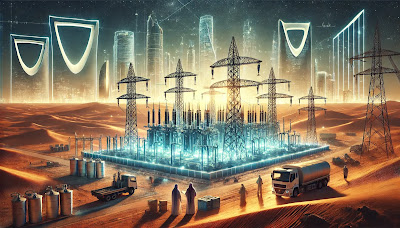


Significance of L&T's New Substation Projects

1. Strengthening Power Transmission Infrastructure

The awarded contracts focus on the construction of advanced substations and transmission lines designed to modernize and enhance the electrical grid in Saudi Arabia and the UAE. With increasing energy demand due to urbanization and industrial growth, these projects will improve the overall grid resilience and reduce transmission losses using HVDC transmission technology.

2. Supporting the Energy Transition in the Middle East

The Middle East is undergoing a massive energy transition, shifting from fossil fuel-based energy to renewable energy integration. Countries like Saudi Arabia and the UAE have set ambitious targets to increase their solar and wind energy capacity. L&T’s substations will facilitate the seamless integration of renewable energy sources into the national grids.

3. Role of Smart Grids and AI in Grid Management

The newly built substations will be equipped with smart grid technology and AI-powered grid management systems. This integration enables real-time monitoring, predictive maintenance, and demand response capabilities, reducing the risk of outages and ensuring efficient energy distribution.

4. Electrification of Transportation and Rising Energy Demand

The rise of electric vehicles (EVs) in the Middle East is significantly impacting electricity consumption. As the electrification of transportation continues, power grids need to be more resilient and adaptive. The new substations will support the growing EV infrastructure, ensuring stable power supply for charging stations and other electrified transport networks.

5. Quantum Electrical Grids and the Future of Power Distribution

As nations move towards next-generation power grids, concepts like quantum electrical grids are being explored to improve energy efficiency and security. While still in early research, future substations could integrate quantum technologies to enhance grid stability, data security, and fault detection mechanisms.


Technological Innovations in L&T’s Substation Projects

1. High-Voltage Direct Current (HVDC) Transmission

L&T’s new substations will likely incorporate HVDC transmission, which is essential for long-distance power transmission with minimal losses. This is particularly beneficial for transmitting power from remote renewable energy sites to urban centers.

2. Advanced Energy Storage Systems (ESS)

To stabilize the grid and ensure uninterrupted power supply, these substations will integrate advanced energy storage systems (ESS). These systems help in storing excess energy from renewable sources and releasing it when needed.

3. Virtual Power Plants (VPPs) and Microgrids

The concept of virtual power plants (VPPs) is gaining momentum, where distributed energy resources (DERs) like solar panels and battery storage are aggregated into a single power entity. Microgrids also play a crucial role in enhancing grid reliability, allowing certain areas to operate independently in case of disruptions.

4. AI Integration in Grid Management

Artificial intelligence is being used for load forecasting, predictive maintenance, and real-time decision-making. AI-powered grid automation systems can detect anomalies and prevent failures, improving overall grid reliability.


Impact on the Power Sector and the Economy

1. Boosting Industrial Growth and Onshoring of Manufacturing

L&T’s contracts contribute to the broader onshoring of manufacturing trend, where power infrastructure development supports local industries. Reliable power supply is critical for data centers, industrial zones, and smart cities, making these projects vital for economic growth.

2. Enhancing Grid Resilience Amid Growing Electricity Demand

With increasing data center energy demand, cities require a robust and resilient power infrastructure. The substations will prevent blackouts, improve fault detection, and support critical infrastructure like hospitals, financial institutions, and defense facilities.

3. Decarbonization and Sustainability Goals

As part of global efforts toward decarbonization, these substations will enable greater penetration of clean energy sources into the grid. This supports Saudi Arabia’s Vision 2030 and UAE’s Net Zero by 2050 initiative, reinforcing their commitment to reducing carbon emissions.


Conclusion: A Future-Ready Power Grid

L&T’s substation projects in Saudi Arabia and the UAE represent a significant leap toward grid modernization, energy transition, and smart infrastructure. By integrating AI, HVDC transmission, virtual power plants, advanced energy storage systems, and renewable energy, these substations will help strengthen power distribution networks while ensuring sustainability, efficiency, and resilience.

With the world rapidly shifting toward electrification, smart grids, and digital energy solutions, these projects will pave the way for a future-ready power sector, supporting industrial growth, clean energy adoption, and long-term sustainability.


Ferrihydrite: Unlocking the Mystery of Mars' Red Color

Ferrihydrite: Unlocking the Mystery of Mars' Red Color

A recent study has brought a paradigm shift in our understanding of why Mars appears red. Previously, it was believed that hematite was responsible for the planet’s iconic hue, but new research suggests that ferrihydrite, a nanocrystalline iron oxide, is the real cause. This discovery has profound implications for our understanding of Mars' geological history, water presence, and past habitability.

Key Findings: Ferrihydrite and Mars’ Red Color

1. What is Ferrihydrite?

  • Ferrihydrite is a hydrous ferric oxyhydroxide mineral that is commonly found on Earth’s surface.
  • Unlike hematite, which is more crystalline, ferrihydrite is nanoparticulate and has poor crystallinity.
  • It forms quickly in the presence of cool water, which suggests that Mars had a much wetter past than previously believed.

2. How is Mars' Red Color Linked to Ferrihydrite?

  • Mars’ red color has long been attributed to hematite, an iron oxide that gives rust its red shade.
  • However, recent studies suggest that ferrihydrite, which forms under cool and wet conditions, is the dominant mineral in the planet’s dust.
  • This discovery implies that Mars was once rich in liquid water, significantly altering previous models of its climate history and habitability.

Understanding Ferrihydrite: Formation and Properties

1. Formation of Ferrihydrite

  • Ferrihydrite is abundant on Earth in soils undergoing rapid weathering and in sediments containing organic anions or silicates.
  • It precipitates from aqueous solutions, making it a strong indicator of past water activity.
  • On Earth, it is often found in iron-rich environments such as bogs, deep-sea sediments, and hydrothermal deposits.

2. Key Properties of Ferrihydrite

  • Nanoparticulate Nature: Unlike hematite, ferrihydrite consists of extremely tiny particles, which makes it highly reactive.
  • Poor Crystallinity: It does not form well-defined crystals, making it harder to detect using traditional mineralogical techniques.
  • Precursor to Other Minerals: Over time, ferrihydrite can transform into hematite or goethite, which explains why hematite has been found on Mars.

Implications of Ferrihydrite’s Discovery on Mars

1. Evidence of a Wetter Mars

  • Ferrihydrite’s presence suggests that liquid water was once abundant on Mars.
  • Since ferrihydrite forms rapidly in cold water, its detection is direct evidence of past lakes, rivers, or groundwater systems on Mars.
  • This discovery supports the theory that Mars had an ancient hydrological cycle, making it more hospitable for microbial life in the past.

2. Insights into Mars' Climate History

  • Previous models suggested that Mars was predominantly dry with occasional bursts of water.
  • However, the presence of ferrihydrite indicates prolonged periods of wet conditions rather than short-lived events.
  • This means that early Mars had a stable climate capable of sustaining liquid water for extended periods.

3. Potential for Ancient Life on Mars

  • Since ferrihydrite traps and preserves organic molecules, it could hold clues about potential ancient microbial life on Mars.
  • If life once existed on the planet, remnants of microbial activity might be found in iron-rich sediments where ferrihydrite is abundant.
  • Future Mars missions, such as NASA’s Perseverance rover and upcoming sample-return missions, could analyze these deposits for biosignatures.

Comparison: Ferrihydrite vs. Hematite on Mars

Property                  FerrihydriteHematite
Formation            


Forms quickly in cool, wet         conditions

Forms under warmer, drier conditions
Crystallinity                  Poorly crystalline,                 nanoparticulate    Highly crystalline

Significance                


Strong evidence of past water on Mars

    Indicates oxidation but not necessarily      water     presence
Color                                     
          Reddish-brown but more diffuse    

    Deep red
Transformation           Converts into hematite              over time    Stable iron oxide

This comparison highlights why ferrihydrite is a better indicator of Mars’ past water history than hematite.


Scientific and Technological Prospects of Ferrihydrite Discovery

1. Implications for Space Exploration

  • Future Mars missions will use this discovery to fine-tune their search for water-rich environments.
  • Advanced spectroscopic instruments onboard Mars rovers will focus on detecting ferrihydrite more accurately.
  • This could refine our understanding of Mars’ geological timeline and its transition from a wet world to a dry desert.

2. Terraforming and Human Colonization

  • Understanding Mars’ past water sources could help in locating underground ice reserves for future human missions.
  • Ferrihydrite’s ability to sequester contaminants could be leveraged to purify Martian water sources.
  • The mineral’s conversion into hematite could be used to extract iron for construction and manufacturing on Mars.

3. Use of Ferrihydrite on Earth

  • On Earth, ferrihydrite is used in water treatment plants to remove heavy metal contaminants.
  • Scientists are exploring its use in carbon capture technologies to mitigate climate change.
  • Its role in soil stabilization and agriculture is being studied to improve crop yields in iron-deficient soils.

Future Research and Mars Missions

Several upcoming space missions will investigate ferrihydrite on Mars:

  1. NASA’s Mars Sample Return Mission (2026-2030)

    • Will retrieve samples from iron-rich regions for laboratory analysis on Earth.
  2. ESA’s Rosalind Franklin Rover (ExoMars 2028)

    • Equipped with a drill and advanced spectrometers to analyze subsurface minerals like ferrihydrite.
  3. ISRO’s Mangalyaan-2 (2025+)

    • Will continue India’s orbital study of Martian minerals and atmospheric changes.
  4. China’s Tianwen-2 Mission (2028)

    • Expected to conduct in-depth mineralogical studies of Mars’ regolith.

These missions will expand our understanding of Mars’ red dust, confirm the extent of ferrihydrite deposits, and further investigate its role in Mars’ geological and climatic evolution.


Conclusion: A New Chapter in Mars Exploration

The revelation that ferrihydrite, not hematite, is the dominant cause of Mars’ red color is a game-changing discovery. This finding strengthens the evidence of Mars’ wet past, reshapes our understanding of the planet’s climate history, and increases the potential for ancient microbial life.

As scientists continue to study ferrihydrite, its presence could provide key insights into how Mars transitioned from a water-rich planet to its current arid state. With upcoming Mars missions focusing on mineralogy and water resources, ferrihydrite will play a central role in shaping our future exploration strategies.

This discovery also has significant technological applications, from Martian resource utilization to environmental remediation on Earth. As space agencies gear up for human exploration and colonization of Mars, understanding the role of ferrihydrite will be crucial in unlocking the planet’s secrets.

Severe Weather in Oklahoma: The Role of Science and Technology in Tornado Monitoring and Forecasting

Severe Weather in Oklahoma: The Role of Science and Technology in Tornado Monitoring and Forecasting


Introduction

As of 2025, Oklahoma City (OKC) and surrounding regions are experiencing severe weather conditions, including tornado watches, severe thunderstorms, and heavy rainfall. The National Weather Service (NWS) and local weather agencies, such as KOCO Weather, have issued alerts to ensure public safety.

With advancements in science and technology, meteorologists can now predict, track, and warn about severe weather events with greater accuracy than ever before. This article explores the scientific principles behind tornadoes, storm forecasting methods, and cutting-edge technologies used in weather prediction.


1. Understanding Tornadoes and Severe Weather

Tornadoes are rapidly rotating columns of air that extend from a thunderstorm to the ground. They form under specific atmospheric conditions and are often associated with supercell thunderstorms. Oklahoma is part of Tornado Alley, an area prone to frequent tornado activity due to its unique weather patterns.

Conditions That Lead to a Tornado:

  • Warm, moist air from the Gulf of Mexico collides with cool, dry air from Canada, creating unstable atmospheric conditions.
  • Strong vertical wind shear (wind speed and direction changes with height) causes rotation in storm clouds.
  • The updraft of a thunderstorm tilts the rotating air into a vertical tornado vortex.
  • If conditions are right, the rotating column touches the ground, forming a tornado.

How Tornado Watches and Warnings Work:

  • Tornado Watch: Issued when conditions are favorable for tornado formation.
  • Tornado Warning: Issued when a tornado is detected on radar or spotted by storm chasers.

Example: Tornado warning in OKC means that a tornado has been confirmed near Oklahoma City, and residents must take immediate shelter.


2. Science Behind Thunderstorms and Extreme Rainfall

Severe thunderstorms produce heavy rain, hail, strong winds, and lightning. These storms develop due to rapid upward movement of warm air into cooler regions of the atmosphere.

  • Cold and warm air interactions create instability, leading to the formation of cumulonimbus clouds.
  • Electric charges within storm clouds lead to lightning and thunder.
  • Heavy rain and flooding occur when a storm remains over a region for an extended period.

Example: KOCO Weather’s radar systems help track these severe thunderstorms, ensuring the Oklahoma weather forecast remains accurate.


3. Role of Science and Technology in Weather Forecasting

Advancements in science and technology allow meteorologists to predict and track severe storms and tornadoes more effectively. The latest forecasting methods include:

A. Doppler Radar Technology

Doppler radar is a critical tool in tracking tornadoes and severe thunderstorms. It works by:

  • Sending radio waves into the atmosphere.
  • Measuring reflections from raindrops to determine storm location, intensity, and wind speed.
  • Identifying rotating thunderstorms, a key indicator of tornado formation.

Example: KOCO Weather radar helps track tornadoes across OKC and other parts of Oklahoma.

B. Satellite Imaging and Remote Sensing

  • Satellites provide real-time images of storm development.
  • Remote sensing devices measure temperature, humidity, and wind speeds from space.
  • These technologies help predict extreme weather events days in advance.

Example: NASA and NOAA’s GOES-R satellites provide real-time images of tornado watch areas in Oklahoma.

C. AI and Machine Learning in Weather Prediction

  • Artificial Intelligence (AI) models analyze large datasets to predict weather patterns.
  • Machine learning algorithms improve the accuracy of tornado warnings by analyzing historical weather patterns.
  • AI-driven models provide early warnings, giving people more time to prepare.

Example: AI models predict Oklahoma weather patterns, allowing authorities to issue severe thunderstorm warnings.

D. Supercomputers in Weather Forecasting

  • Supercomputers run climate simulations to predict severe storms and tornado paths.
  • These simulations analyze wind patterns, temperature changes, and atmospheric pressure to improve weather forecasting.

Example: NOAA’s high-performance computing systems help improve OKC weather forecasts.


4. How Modern Weather Technology Helps Save Lives

Advancements in science and technology play a crucial role in disaster preparedness. Some life-saving innovations include:

A. Tornado Sirens and Emergency Alert Systems

  • Automated tornado warning systems send alerts via mobile devices, TV, and radio.
  • Outdoor warning sirens notify communities when a tornado is approaching.

Example: Tornado warning OKC alerts help residents take shelter immediately.

B. Storm Chasers and Drone Technology

  • Meteorologists use drones and storm-chasing vehicles to study tornadoes up close.
  • Drones equipped with sensors measure wind speeds and atmospheric pressure inside tornadoes.

Example: KOCO Weather uses drones to track severe weather in Oklahoma.

C. Mobile Weather Apps for Instant Updates

  • Apps like KOCO 5 News Weather App provide real-time alerts and radar updates.
  • Users receive severe thunderstorm warnings and tornado watch notifications on their phones.

Example: OKC residents receive push notifications about approaching storms, helping them stay safe.


5. Future of Severe Weather Prediction

The future of weather forecasting relies on continued technological advancements. Some emerging innovations include:

A. Quantum Computing for Weather Prediction

  • Quantum computers process massive datasets faster than traditional supercomputers.
  • They can simulate complex atmospheric conditions, improving storm forecasting accuracy.

B. Space-Based Weather Monitoring Systems

  • Future satellites will provide higher-resolution images of tornado-forming storms.
  • These systems will allow real-time tracking of extreme weather events.

C. Smart Cities with AI-Powered Weather Sensors

  • Cities will install AI-driven weather sensors to predict local weather conditions.
  • These systems will provide hyper-local tornado warnings and improve disaster response times.

Example: Oklahoma City could integrate AI-powered weather sensors to enhance OKC weather monitoring.


6. Conclusion: Staying Safe with Science and Technology

Severe weather events, such as tornadoes and thunderstorms in Oklahoma, highlight the importance of advanced weather prediction technology. Through Doppler radar, AI-driven forecasting, satellite imaging, and emergency alert systems, meteorologists can now provide early warnings and accurate predictions.

As climate change leads to more extreme weather events, continued investments in science and technology will be essential to keep communities safe.

Key Takeaways:
Doppler radar, AI, and satellite imaging improve tornado predictions.
Mobile weather apps and emergency alert systems save lives.
Quantum computing and AI will revolutionize future weather forecasting.

Stay Informed and Stay Safe!

For the latest updates on Oklahoma weather, tornado warnings, and severe thunderstorms, follow:

  • KOCO Weather for live radar updates.
  • The National Weather Service for real-time weather alerts.
  • Local news apps for push notifications on severe weather conditions.

Technology is our best defense against the power of nature! 

National Safety Day 2025: Science & Technology Advancements for a Safer Future

National Safety Day 2025: Science & Technology Advancements for a Safer Future

Introduction to National Safety Day 2025

National Safety Day 2025 is an annual observance in India, celebrated on March 4th to promote awareness about safety measures, accident prevention, and occupational health. This significant event marks the beginning of National Safety Week 2025, a week-long campaign dedicated to fostering a culture of safety in workplaces, industries, and public spaces.

With the theme of "Building a Safer Future: Innovation and Awareness in Safety", this year's National Safety Week 2025 theme aims to emphasize technological advancements and proactive safety measures in different sectors.


Why is National Safety Day Important?

The observance of National Safety Day 2025 holds immense importance for:

Creating Awareness – Spreading knowledge about safety regulations and best practices.
Preventing Accidents – Reducing workplace hazards and ensuring compliance with safety standards.
Promoting Health & Well-being – Encouraging occupational health and hygiene for workers.
Encouraging Risk Management – Educating organizations about emergency preparedness and risk mitigation.
Strengthening Safety Policies – Reinforcing government and corporate safety guidelines.
Advancing Technological Solutions – Utilizing science and technology for improved safety protocols.


Role of Science & Technology in Safety Management

Artificial Intelligence (AI) & Machine Learning in Safety

✔ AI-powered predictive analytics can foresee potential hazards and recommend preventive actions.
Smart surveillance systems can monitor workplaces for real-time safety enforcement.
✔ AI-driven robotic automation helps minimize human exposure to dangerous environments.

Internet of Things (IoT) for Smart Safety Solutions

IoT-enabled sensors detect gas leaks, temperature fluctuations, and structural weaknesses.
Wearable safety devices monitor vital signs of workers in hazardous environments.
Connected alarms & emergency response systems ensure rapid reaction to safety threats.

Robotics & Automation for Risk Reduction

Autonomous drones inspect industrial sites, power plants, and high-risk zones.
AI-powered robotic arms handle hazardous materials, reducing human risk.
Automated fire suppression systems enhance fire safety in commercial and residential spaces.

Virtual Reality (VR) & Augmented Reality (AR) in Safety Training

VR-based training modules simulate hazardous situations for hands-on learning.
AR headsets provide real-time safety guidance during operations.
Immersive learning experiences enhance worker preparedness in high-risk industries.

Cybersecurity & Digital Safety Measures

Advanced encryption protocols protect sensitive workplace data.
AI-driven cybersecurity solutions detect and prevent cyber threats.
Multi-factor authentication systems secure workplace communication networks.


National Safety Week 2025: What to Expect?

Key Focus Areas for Safety Week 2025:

Workplace Safety – Implementing strict safety protocols to prevent industrial accidents.
Road Safety – Promoting responsible driving and pedestrian safety.
Fire Safety – Educating individuals about fire hazards and emergency response.
Health & Hygiene – Addressing occupational diseases and mental well-being.
Digital Safety – Emphasizing cybersecurity and data protection in the digital era.

Activities & Events Planned:

Safety Drills & Mock Exercises – Simulating emergency situations to train employees.
Workshops & Seminars – Conducting awareness programs on workplace hazards and preventive measures.
Poster & Slogan Competitions – Engaging employees and students in creative safety initiatives.
Recognition & Awards – Honoring organizations and individuals for their commitment to safety.
Online Campaigns – Utilizing social media to spread safety messages and best practices.


National Safety Week 2025 Theme & Its Significance

Each year, National Safety Week is centered around a dedicated theme that highlights the most pressing safety concerns. The National Safety Week 2025 theme, "Building a Safer Future: Innovation and Awareness in Safety", focuses on:

Integrating AI & Technology in Safety Management.
Encouraging safety innovations in industrial and public sectors.
Improving workplace ergonomics and employee well-being.
Enhancing emergency preparedness in all industries.
Creating digital awareness to prevent cyber threats.


National Safety Measures Across Different Sectors

Industrial Safety:

✔ Adopting automated safety protocols to prevent machine-related accidents.
✔ Encouraging Personal Protective Equipment (PPE) usage.
✔ Implementing hazardous material handling guidelines.
AI-powered predictive maintenance to prevent equipment failures.

Road Safety:

✔ Conducting defensive driving workshops.
✔ Implementing strict traffic laws for reduced accidents.
✔ Promoting the use of helmets and seatbelts.
Smart traffic management systems for reduced congestion and safer roads.

Fire Safety:

✔ Conducting fire drills and evacuation exercises.
✔ Installing fire alarms and suppression systems in public areas.
✔ Educating employees on fire prevention techniques.
AI-integrated fire detection systems for early hazard identification.

Cyber Safety:

✔ Encouraging strong passwords and multi-factor authentication.
✔ Spreading awareness about phishing and cyber fraud prevention.
✔ Implementing cybersecurity measures in workplaces.
AI-driven anomaly detection systems for preventing cyberattacks.


How Can Organizations & Individuals Participate?

Organizations, educational institutions, and individuals can contribute to National Safety Day 2025 by:

Conducting safety training sessions for employees.
Encouraging a proactive safety culture in workplaces.
Organizing safety awareness programs for schools and colleges.
Utilizing digital platforms to spread safety messages.
Implementing new safety policies and guidelines in businesses.
Leveraging technology-driven safety solutions in industries.


Conclusion: The Future of Safety Awareness

As National Safety Day 2025 approaches, it is crucial for industries, governments, and citizens to work together in fostering a safer environment. The National Safety Week 2025 provides a valuable opportunity to create a culture of prevention, risk assessment, and well-being for all.

Remember: Safety is not just a one-day observance but a lifelong commitment! 

Stay Safe, Stay Aware, and Embrace Technology for a Safer Future! 

Audio Research's Reference 330M Monoblock Amplifier: A High-End Powerhouse

Audio Research's Reference 330M Monoblock Amplifier: A High-End Powerhouse

Audio Research has unveiled its latest flagship monoblock power amplifier, the Reference 330M, setting new standards in high-end audio amplification. Described as the company's "finest amplifier ever," the 330M combines cutting-edge technology with meticulous design to deliver unparalleled audio performance. 


1. Overview of the Reference 330M

  • Power Output: The 330M delivers a robust 330 watts per channel, more than doubling the 160 watts of its predecessor, the Reference 160M MkII.

  • Design Philosophy: This amplifier embodies Audio Research's commitment to innovation and excellence, integrating new design elements and components to achieve superior sound quality.

2. Technical Specifications

  • Tube Configuration: The output stage utilizes six KT170 tubes, known for high power and low distortion, with an expected lifespan of approximately 3000 hours each.

  • Inputs and Outputs: The amplifier offers both balanced XLR and single-ended RCA inputs, along with 4-ohm and 8-ohm output taps, ensuring compatibility with a wide range of audio systems.

  • Biasing System: An Auto-Bias feature maintains optimal tube performance over time, reducing the need for manual adjustments.

3. Design and Aesthetics

  • Visual Appeal: The 330M features Audio Research's signature GhostMeter VU display, creating a floating visual effect through a dual-layer glass window.

  • Build Quality: Measuring 19 inches wide, 10.5 inches high, and 21 inches deep, and weighing 101 pounds (45.8 kg), the amplifier showcases robust construction and elegant styling.

4. Performance Characteristics

  • Sound Quality: The 330M delivers a vivid, immediate, and relaxed presentation, with exceptional bass extension, control, and weight, defying traditional amplifier topologies.

  • Musicality: Listeners can expect an elevated level of performance, characterized by incredible musicality and a natural listening experience.

5. Pricing and Availability

  • Price Point: While pricing is available upon request, estimates suggest that a stereo pair of 330M amplifiers will cost around £92,000 in the UK.

  • Finishes: The amplifier is available in black or natural (silver) finishes, allowing users to match their aesthetic preferences.

6. Conclusion

The Audio Research Reference 330M monoblock amplifier represents a significant advancement in high-end audio amplification, offering exceptional power, innovative design, and superior sound quality. As the company's new flagship model, it sets a high benchmark for performance and craftsmanship in the audio industry.

ISRO's Next-Generation Launch Vehicle (NGLV) Soorya: Pioneering India's Space Exploration

ISRO's Next-Generation Launch Vehicle 
(NGLV) Soorya: Pioneering India's Space 
Exploration


The Indian Space Research Organisation (ISRO) has embarked on an ambitious project to develop the Next-Generation Launch Vehicle (NGLV), aptly named "Soorya." This initiative aims to bolster India's capabilities in space exploration, satellite deployment, and interplanetary missions. The Soorya project signifies a monumental leap in aerospace technology, aligning with global trends toward reusable and sustainable launch systems.

1. Overview of the Soorya Project

  • Strategic Vision: The Soorya project is conceived to meet India's burgeoning demands for satellite launches, human spaceflight, and deep-space missions. It is envisioned to replace ISRO's current workhorse launch vehicles, offering enhanced payload capacities and reusability features.

  • Project Timeline: The development phase is projected to span approximately seven years, with the inaugural flight anticipated in the early 2030s. This timeline underscores ISRO's commitment to expeditiously advancing its launch capabilities.

2. Technical Specifications

  • Three-Stage Configuration: Soorya is designed as a three-stage launch vehicle, incorporating a cluster of nine engines in the first stage and two engines in the second stage. This configuration aims to optimize thrust and efficiency during ascent.

  • Payload Capacity: The vehicle is engineered to deliver payloads of up to 30 tonnes to Low Earth Orbit (LEO) and 10 tonnes to Geostationary Transfer Orbit (GTO), significantly surpassing the capabilities of current ISRO launch vehicles.

  • Reusability: A pivotal feature of Soorya is the recoverable first stage, designed to perform vertical landings akin to SpaceX's Falcon 9 rocket. This reusability is expected to substantially reduce launch costs and enhance sustainability.

3. Propulsion Systems

  • Green Propulsion: Aligning with global sustainability trends, Soorya will incorporate modular green propulsion systems, minimizing environmental impact and promoting eco-friendly space exploration.

  • Engine Clustering: The first stage's nine-engine cluster and the second stage's dual-engine setup are designed to provide robust thrust and redundancy, enhancing mission reliability and performance.

4. Reusability and Cost Efficiency

  • First-Stage Recovery: The first stage of Soorya is designed for vertical landing and reuse, a strategy aimed at reducing operational costs and turnaround times between launches.

  • Cost-Effectiveness: Despite its enhanced payload capacity, Soorya is projected to increase launch costs by only 50% compared to current vehicles, offering a cost-effective solution for heavy-lift missions.

5. Mission Versatility

  • Satellite Deployment: Soorya's substantial payload capacity makes it ideal for deploying large constellations of communication and Earth observation satellites, catering to both commercial and governmental clients.

  • Human Spaceflight: The vehicle is being developed with human-rating considerations, supporting ISRO's aspirations for crewed missions, including potential lunar landings by 2040.

  • Interplanetary Missions: With its enhanced capabilities, Soorya is poised to facilitate ambitious interplanetary missions, including Mars exploration and asteroid missions, expanding India's footprint in deep-space exploration.

6. Technological Innovations

  • Advanced Materials: The development of Soorya involves the use of advanced materials and manufacturing techniques to ensure structural integrity while minimizing weight, thereby enhancing payload efficiency.

  • Avionics and Guidance: State-of-the-art avionics systems and precision guidance technologies are being integrated to ensure accurate payload delivery and mission success.

7. International Collaboration

  • Global Partnerships: ISRO is exploring collaborations with international space agencies and commercial partners to leverage expertise, share resources, and enhance the global competitiveness of the Soorya launch vehicle.

  • Commercial Launch Services: By offering competitive pricing and reliable launch services, Soorya aims to attract international clients, positioning India as a key player in the global space launch market.

8. Environmental Considerations

  • Eco-Friendly Propellants: The adoption of green propulsion systems reflects ISRO's commitment to reducing the environmental footprint of its launch activities, aligning with global sustainability goals.

  • Noise and Emission Reduction: Innovative design features are being incorporated to minimize acoustic impact and emissions during launch, contributing to environmental preservation.

9. Economic Impact

  • Boosting the Space Economy: The development and operationalization of Soorya are expected to stimulate growth in India's space economy, creating opportunities for ancillary industries and fostering technological innovation.

  • Job Creation: The project is anticipated to generate employment across various sectors, including engineering, manufacturing, research, and development, contributing to economic growth.


Redeeming India’s Nuclear Power Promise: A Clean Energy Imperative for 2047

Introduction: A Nuclear Vision for Viksit Bharat@2047 As India marches toward its ambitious goal of becoming a developed nation by 2047, en...